

Corrosion Resistance: Plastics exhibit excellent resistance to chemicals such as acids, alkalis, and salts, unlike metals that corrode.
Insulating Properties: Plastics are excellent electrical and thermal insulators, forming the basis for their widespread use in wires, cables, and insulation materials.
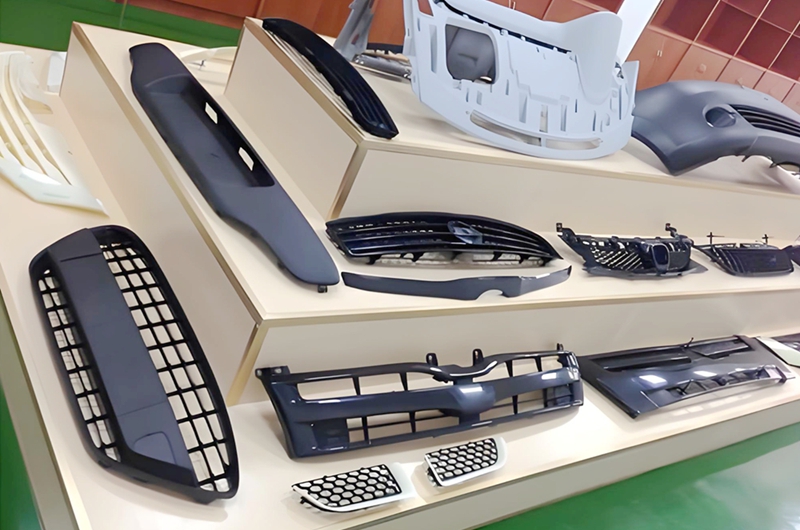
Design Freedom: Plastics can be molded through various processes such as injection molding, blow molding, and extrusion, enabling complex structures and fine details.
Controlled Transparency: From fully transparent (e.g., acrylic) to completely opaque, the optical properties of plastics can be precisely tailored.
Strength and Toughness: With the addition of reinforcing fibers (e.g., glass fibers), the strength of plastics can rival that of certain metals.
Plastic Modification and Specialty Plastics
Pure polymers often cannot meet all requirements, leading to the development of various modification technologies:
Reinforced Plastics: Adding glass fibers or carbon fibers significantly enhances mechanical properties.
Plastic Alloys: Blending different polymers to combine their strengths.
Functional Additives: Incorporating flame retardants, antistatic agents, UV stabilizers, etc.
Bio-based Plastics: Derived from renewable resources like corn or sugarcane, reducing reliance on petroleum.
Biodegradable Plastics: Capable of breaking down into harmless substances under specific conditions, alleviating environmental pressure.