

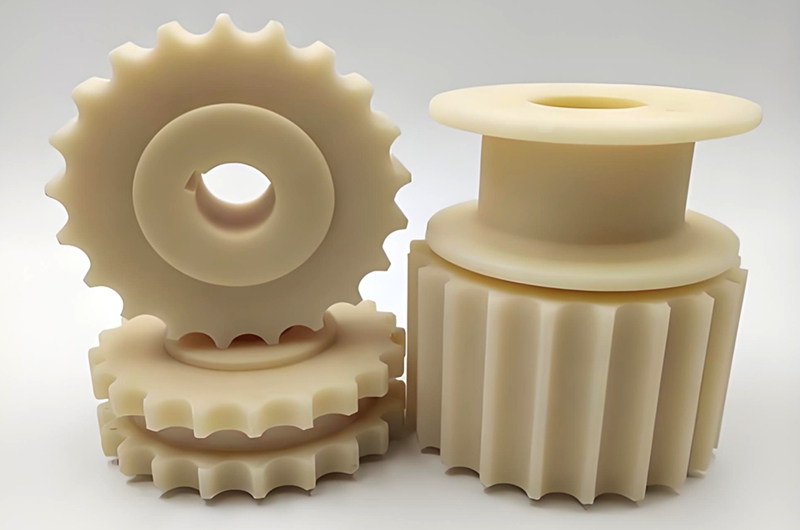
Plastics are a class of materials based on high-molecular polymers, primarily composed of resins—typically derived from petroleum, natural gas, or plants. These polymer molecules resemble long chains, formed by connecting thousands of repeating units (monomers). It is this unique molecular structure that grants plastics their plasticity—softening when heated to be molded into various shapes and retaining their form upon cooling.
The "Seven Families" of Plastics
Internationally, commonly used plastics are classified into seven major categories using the triangular recycling symbol:
1. PET (Polyethylene Terephthalate): Transparent, strong, commonly used for beverage bottles.
2. HDPE (High-Density Polyethylene): Relatively hard, corrosion-resistant, used for milk bottles and detergent containers.
3. PVC (Polyvinyl Chloride): Flexible or rigid, used for pipes and cable insulation.
4. LDPE (Low-Density Polyethylene): Soft, transparent, used for plastic bags and packaging films.
5. PP (Polypropylene): Heat-resistant, lightweight, used for microwave-safe containers and automotive components.
6. PS (Polystyrene): Brittle, transparent, used for foam packaging and disposable tableware.
7. Other Plastics: Including polycarbonate (PC), polyamide (nylon), and more.